
Skip to services
Purchasing to accounts, typed once

Business process automation services UK

Type the order once, not three times

Business process automation services UK are the design, build and running of the routine steps a goods business repeats every day, from purchase order to paid invoice, inside the systems it already owns, so each fact is typed once and every later document is built from it. You type the order into the sales system, again into the stock sheet, and a third time for the invoice, then chase it by hand until paid; every re-key is a delay and a risk. FlyWei provides these services UK wide for companies that buy, hold and sell or hire goods: we join up the ERP, hire system or warehouse system you already run, from purchase order, goods in, stock and picking to delivery note, invoice, accounts and chasing until paid. Start with the Chain Map: half a day on site and a written map.

Reviewed by Dr Mohammed Aroussi, updated 23 September 2026

The operating chain

One chain from supplier offer to paid invoice

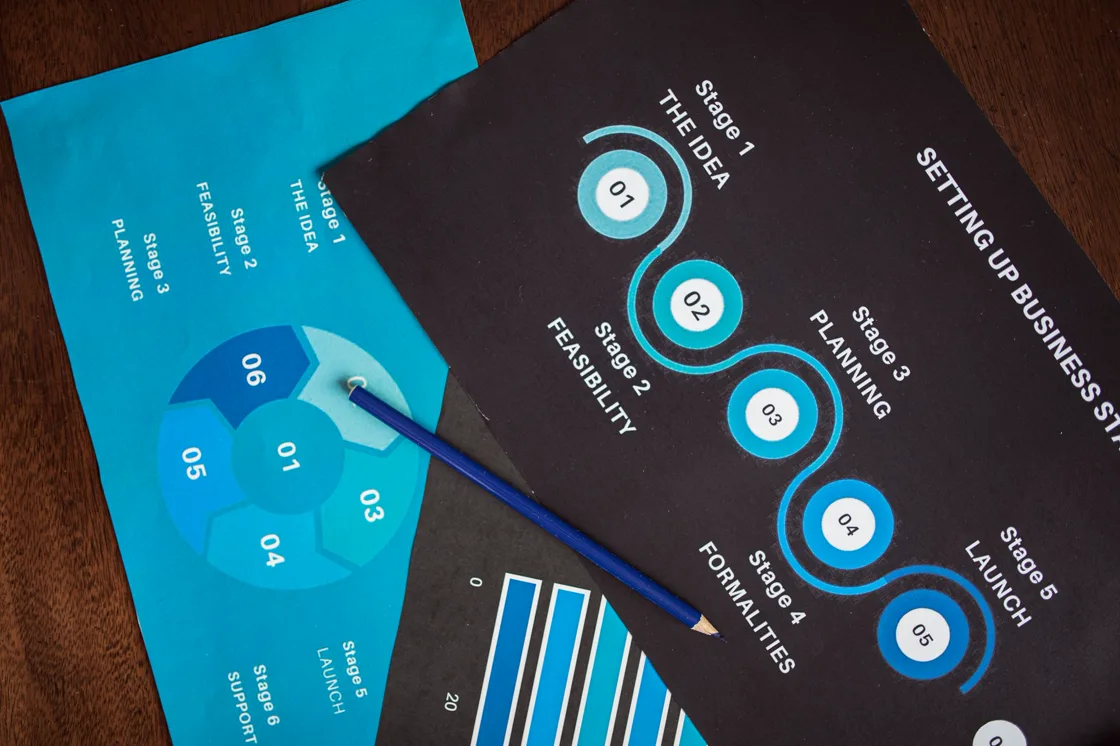
Purchase order, goods in, stock, allocation, pick and delivery note, invoice, accounts and chasing until paid. Every company that buys, holds and sells or hires goods runs the same seven stages, whether it is a hire depot, a factory, a builders merchant or a distribution warehouse; only the labels change. Business process automation means each stage runs inside the systems you already own, with the same fact entered once and carried forward: the purchase order becomes the goods receipt, the delivery note becomes the invoice, and the invoice is chased until it is paid. We map your version, then join the stages up.

  1. 01
    Purchasing
    Offers become approved purchase orders
  2. 02
    Goods in
    Receipt matched to the PO and the supplier invoice
  3. 03
    Stock
    One live quantity per product, per company
  4. 04
    Allocation
    Orders allocated at the customer's price tier
  5. 05
    Goods out
    Pick, despatch, photo and signature on device
  6. 06
    Invoices
    Raised from the delivery note, filed automatically
  7. 07
    Accounts
    Payment taken, chased until paid, VAT return generated
Purchase to pay, automated
Supplier offer, purchase order, goods receipt, three-way match and payment as one chain, built and running for one wholesale group.
One group, one ERP
Every company in the group on a single ERP we built and run, each with its own branding, sales team and pricelists.
Invoices file themselves
Customer invoices generated from deliveries and filed by customer, year and month, untouched.
Application to first order, automated
Trade applicants verified against the companies register, approved, priced and ordering online without a re-key.

Delivered 2025 to 2026, live across the group.

What is business process automation?

Business process automation means the routine steps of running a business, from raising a purchase order to filing the paid invoice, run inside the systems you already use without a person re-keying the same fact. Each fact is entered once, at the point it is created, and every later document is built from it. We design it around how you trade, build it in your ERP, hire system or warehouse system, and stay on to run it.

Purchase to pay automation UK: what it includes

Purchase to pay automation covers the supplier offer, the purchase order and its approval by role, goods receipt against the order, the three-way match of order, receipt and supplier invoice, and payment on the agreed terms, with only the differences sent to a person. A supplier portal replaces emailed invoices. We built this full chain for one wholesale group and it runs today; in every other sector we map your version by the same method.

Market data

What it costs, in numbers

No FlyWei fee is published on this page: the Chain Map is one fixed fee confirmed in writing and credited in full against the pilot. What can be shown is what the manual version of the chain costs a UK business, from third-party market data. Each row names its source.

UK market data on the cost of manual purchasing, invoicing and payment chasing
MeasureFigureSource and date
Raising one purchase order£50 is the figure most often cited, and could as easily be £37.50 or £72 depending on who does the work; tendered orders run to several hundred poundsMarket data: CIPS, quoted by Direct Purchasing Systems and by Macfarlane PackagingUndated CIPS illustration; the Macfarlane citation is dated June 2017
Processing one supplier invoice by hand£4 to £25 per invoice, average around £15; automated processing as low as £2Market data: Xero UK, accountant and bookkeeper guide to automated accounts payableFetched 23 September 2026
Waiting to be paid29.1 days from invoice to payment, and 8.3 days late on averageMarket data: Xero Small Business Insights, United KingdomJune quarter 2026
Unpaid invoices62 per cent of UK small businesses are owed money; £21.4k owed each on average; 11 per cent of invoices more than 30 days overdueMarket data: Intuit QuickBooks 2025 UK Small Business Late Payments Report, 1,063 businessesSurvey November 2024, published 31 March 2025
Time spent chasing56.4 million hours a year across UK small businesses, more than a working week per business, valued at £6.3 billionMarket data: Intuit QuickBooks with Opinium, more than 500 UK small businesses13 November 2019
Late payment, per business and per economy£22,000 a year per SME on average; £11 billion a year across the UK; 38 businesses close every day; 24 per cent of firms say invoices handled incorrectly added to the delayMarket data: GOV.UK, Department for Business and Trade releases19 September 2024 and 19 May 2026
Back-office time5.6 per cent of staff time in a UK small business goes on back-office tasks, and accounting is more than 20 per cent of that admin timeMarket data: Sage research, reported by smallbusiness.co.uk8 January 2024

These are published UK benchmarks, not FlyWei results and not a quote. The Chain Map takes your own figures instead: days to invoice, points keyed twice, documents handled by hand, credits and disputes, stopwatch minutes and desk hours, from your own exports, countersigned by both sides.

Who it is for

The same chain, in your industry

Pick your industry. The seven links relabel in your words, with what we would join up first. Wholesale is the chain we built and run for one multi-company group; every other version follows the same method, mapped in your own system.

Invoice processing and PO matching for hire companies: we map it in your hire system

Your fleet is your stock. It goes out on contract, comes back for check-in, and bills by the hire period. Supplier invoice processing and PO matching for fleet, parts, transport and sub-hire run inside your hire system, and off-hire is keyed once. We map that loop first.

  1. 01 Purchasing
    Fleet purchasing
  2. 02 Goods in
    Check-in and inspection
  3. 03 Stock
    Fleet availability
  4. 04 Allocation
    Hire booking
  5. 05 Goods out
    Hire-out and delivery
  6. 06 Invoices
    Hire-period billing
  7. 07 Accounts
    Accounts and deposits
Off-hire recorded once, on device, so billing stops the same day
Check-in inspection on a phone, with damage charges raised from the record
Availability read from the live fleet before a booking is confirmed
Fleet purchase orders that create the asset record on receipt, keyed once

Half a day on site mapping your tool and plant hire chain, credited in full against the pilot.

Services

Eight services from purchase order and three-way match to paid invoice, typed once

Purchase to pay automation: supplier offers checked and approved in the warehouse
01

Purchase to pay automation

The problem

Offers arrive by message, POs are raised from memory, and nobody checks the invoice against what was actually delivered.

What we do
  • Purchase order processing: supplier offers captured and turned into approved purchase orders
  • PO approval by role, using the access rights we set up
  • Three-way match: purchase order, goods received, supplier invoice
  • A supplier portal for invoices with attachments and new product proposals
  • Approved submissions become draft supplier invoices and product records
The result

For one wholesale group, offers, purchase orders, goods receipt, three-way match and payment run as one chain. The supplier portal is live across the group.
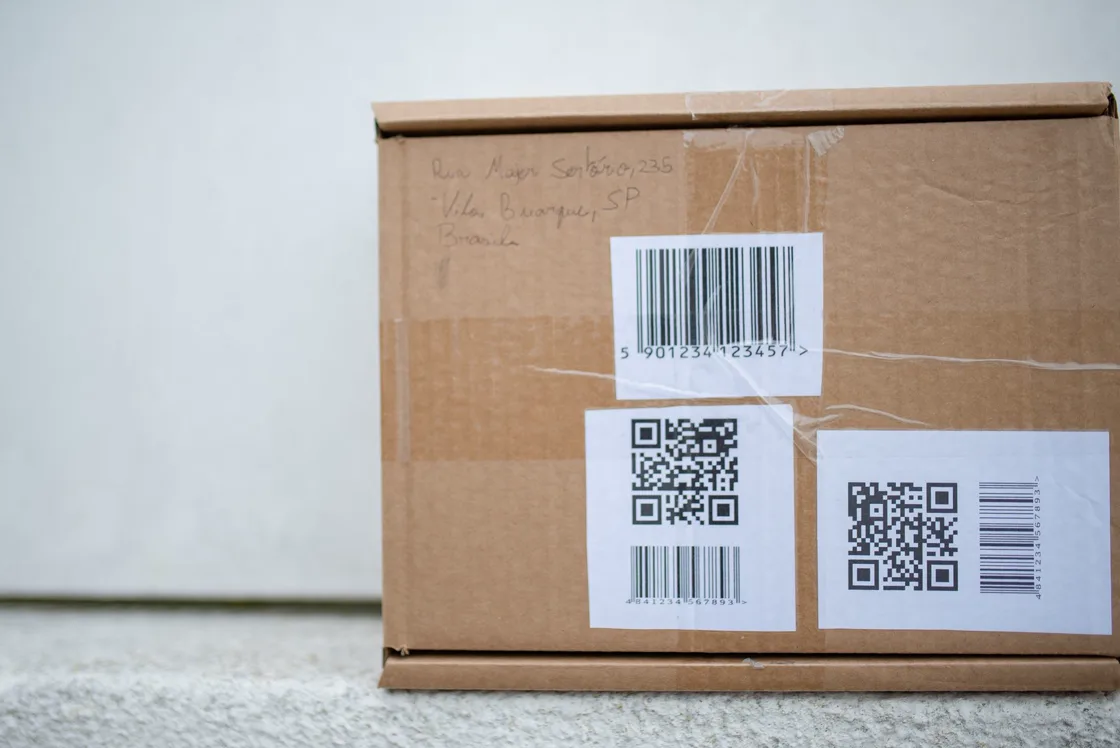
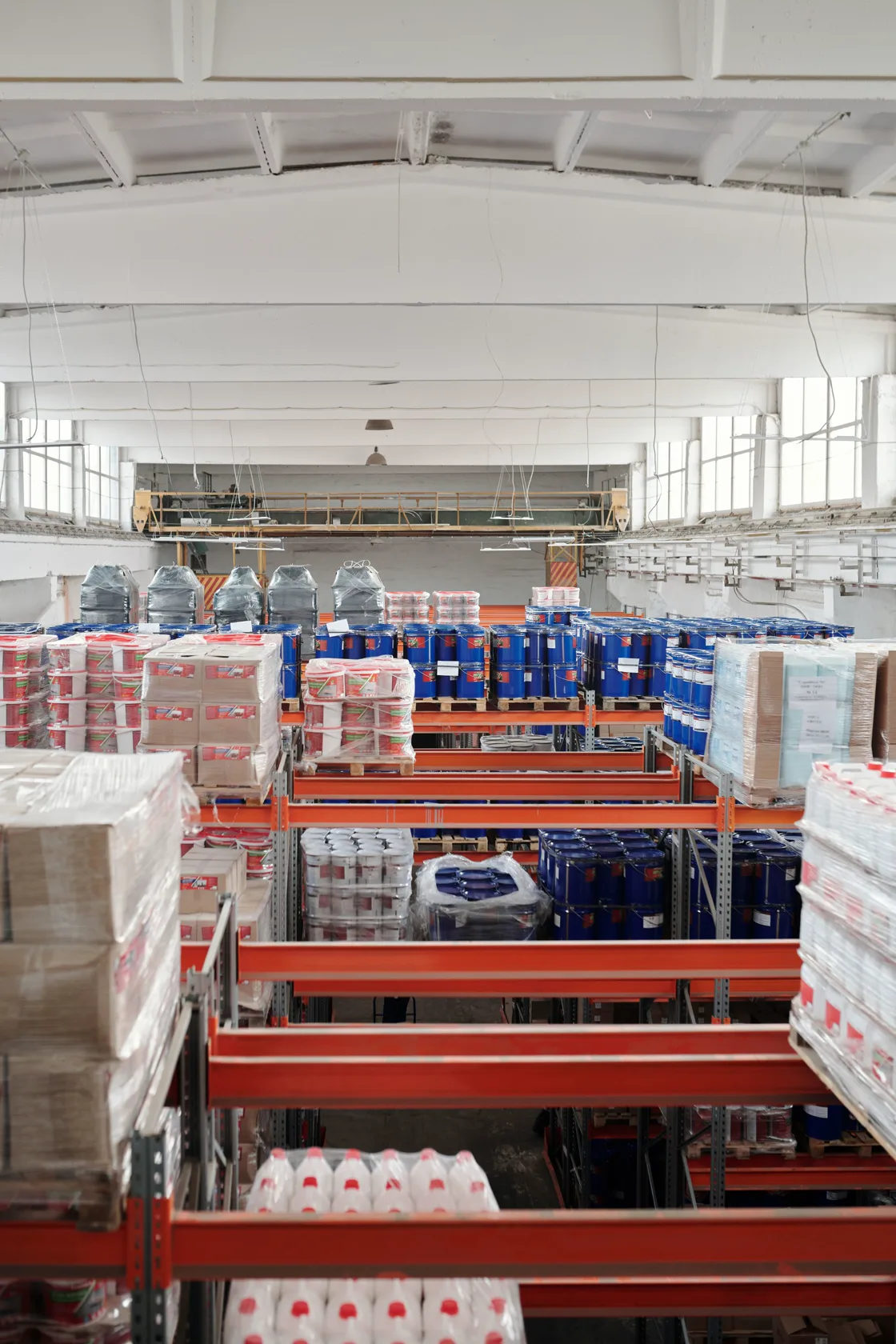
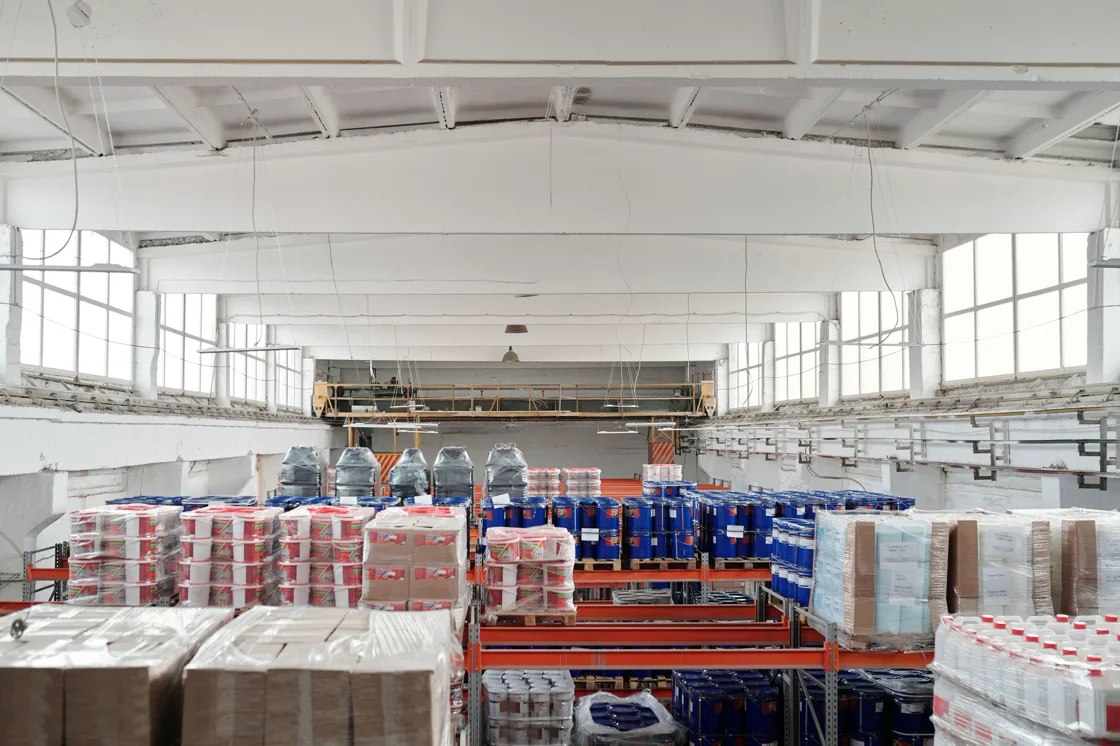
Goods receipt matched to the purchase order with a barcode scan
02

Goods in and goods out

The problem

Receiving is a clipboard, picking is memory, and proof of delivery is a phone call the next day.

What we do
  • Goods receipt against the purchase order, with discrepancies flagged
  • Picking on single-purpose screens for warehouse devices
  • Despatch and delivery on driver devices, locked to one app
  • Photo and signature required before a job can close
  • Goods-in, put-away, barcode and labelling standards written into the blueprint
The result

Picking, despatch and delivery captured on device with photographs and signatures on completion. Every receipt is tied to its purchase order for the three-way match, and the delivery note is written once.

Stock and allocation automation across a multi-site business
03

Stock and allocation automation

The problem

Stock lives in three places, the warehouse stock control software does not talk to the sales desk, orders promise what is not there, and customers get different prices by accident.

What we do
  • One product catalogue across every company on the ERP, with stock held per company
  • An automated stock control system in the ERP you already run: one live quantity per product and site, orders taken against it, not from a spreadsheet
  • Pricelist tiers assigned automatically when an account is approved
  • Catalogue, categories, descriptions, images and supplier data maintained
  • Product photos captured on a phone and published to the catalogue
The result

One catalogue and one set of product records across every company in the wholesale group we run, on a single ERP. Approved customers land on the right pricelist tier without anyone touching it.

Customer invoices filed by customer, year and month automatically
04

Invoice and accounts automation

The problem

Invoices are raised late, filed by hand and chased by phone, and the VAT return is a quarterly panic.

What we do
  • Customer invoices generated from confirmed orders and deliveries
  • Filed automatically by customer, year and month in your document system
  • Card payment and trade credit integrations, tested in sandbox before release
  • Per-customer payment terms and account-based payment
  • Overdue invoices chased on a schedule from the ledger, until paid
  • VAT return generation corrected and accounting periods configured
  • Letterhead, invoice and proforma templates that match the brand
The result

For the wholesale group we run, invoices file themselves by customer, year and month and VAT returns generate correctly across every company. Card payments proven live; trade credit built and tested through to approval.

Trade customer onboarding automation and online ordering on a laptop
05

Customer onboarding and online ordering

The problem

New trade accounts wait days for a check, and orders come in by phone and message to be re-keyed.

What we do
  • A trade or corporate website for every company in the group, built from one toolkit
  • Hosting, domains, DNS and a deploy pipeline with rollback, run for you
  • Trade application forms that land as leads in the right company
  • Applicant companies verified against the companies register automatically
  • Online trade ordering: catalogue, basket, order straight into the ERP
  • Business messaging, telephony numbers and voice automation set up, with campaign templates approved
The result

Every site in the group built from one shared toolkit. Application to first order automated end to end: orders land in the ERP with no re-keying and every enquiry becomes a tracked lead in the correct company.

ERP integration across a multi-company group
06

ERP integration services

The problem

Several companies, several spreadsheets, and no single view of stock, customers or money.

What we do
  • ERP integration services for UK companies: we build inside the ERP you already run and connect the website, warehouse devices, payments and robots around it.
  • Per-company branding on invoices, portal and outbound email
  • CRM, sales teams, pricelists and access rights set up for how you trade
  • Autonomous forklifts, AMRs, WMS and other systems connected to the ERP when you need them
  • Source control to staging to production, so changes ship safely
  • Brand assets, logos and company details set consistently across every company
  • Login standards, roles and a written access matrix for every user
The result

FlyWei builds and runs an Odoo system for a wholesale group: one ERP across every company, each with its own branding, sales team and pricelists. Changes ship from source control through staging to production.

Read the ERP integration service in full
Custom business software built inside the ERP
07

Custom business software

The problem

Your ERP nearly does what you need. The gaps are where the manual work still lives.

What we do
  • Modules built inside your ERP, not bolted on beside it
  • Portals: supplier invoice submission, product proposals, approval flows
  • Payment modules: card acceptance, trade credit, account-based terms
  • Device apps for picking, despatch and product photo capture
  • Authentication and access fixes where the platform falls short
The result

Supplier portal, payment modules, warehouse device app and photo collector all built and deployed for one group, with separation between its companies.

Engineers designing an operations blueprint for the purchase order to paid invoice loop
08

AI specialist engineers, ongoing

The problem

The go-live was fine. Twelve months later nobody owns the platform and the process drifts back to paper.

What we do
  • A named team of AI specialist engineers who design, build and run your automation and stay on after go-live
  • An operations blueprint: daily customer and supplier cycles as process diagrams, failure paths, access by role
  • Role matrices, per-person daily task schedules and the implementation sequence to follow
  • Registered particulars, licence registrations and published disclosures checked and corrected
  • Technical due diligence across your platforms, with systemic faults fixed at the root
  • An agreed work plan for what is covered and change control for everything else
The result

One team accountable after launch. The operating loop from purchase order to paid invoice is documented, and process maps are updated in the same change as the code.

How we work

How the work runs: map, design, build, run

  1. 01

    Map

    The Chain Map. One engineer spends half a day on site walking purchasing, goods in, stock, goods out, invoicing and accounts as they run today, and marks every point where a person re-keys or chases. You get a written two page map, a baseline taken from your own data and countersigned by both sides, the one link to fix first and a fixed pilot quote. One fixed fee, credited in full against the pilot.

    Book a Chain Map
  2. 02

    Design

    We decide which steps your ERP handles, which need a module, and which need a connection. Written down and agreed before anything is coded.

  3. 03

    Build and connect

    Modules, portals, device apps and integrations built and tested in staging, then released through a controlled route with rollback.

  4. 04

    Run

    Our AI specialist engineers stay on: users, changes, faults, documentation and the next stage of automation, under an agreed work plan.

Start with the chain you run every day.

Tell us where the same order gets typed twice. The Chain Map is half a day on site and a written map of what to join up first, with a fixed pilot quote and the fee credited in full against the pilot.

Book a Chain Map

Reply within one business day.

Or book a systems review

Business process automation services UK: your questions answered

Usually not. The ERP, hire system or warehouse system you already run holds most of the record; what is missing is the join to where each fact is born. We build that join inside your system, by API, database or import, and write a module only where it has no step. The Chain Map shows which case you are in.