Robotics that ship the numbers we promised.
Nine industries. Hundreds of sites. Every deployment audited end-to-end. Below: anonymised customer outcomes — labour saving, throughput uplift, payback period — exactly as the operators measured them.
Browse case studies by industry
Each industry page collects every deployment we've shipped in that vertical — with the same depth, the same audited metrics, and the same FlyWei × SEER engineering approach.
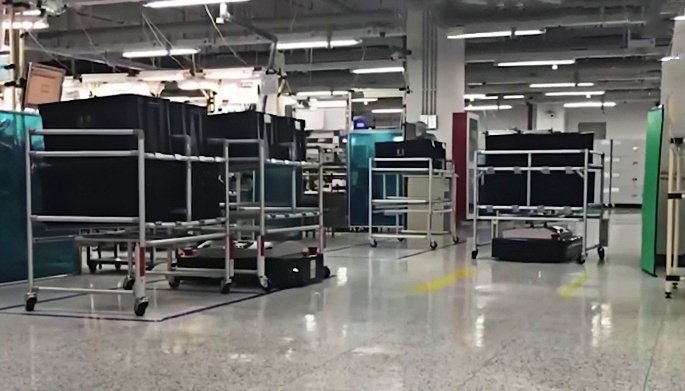
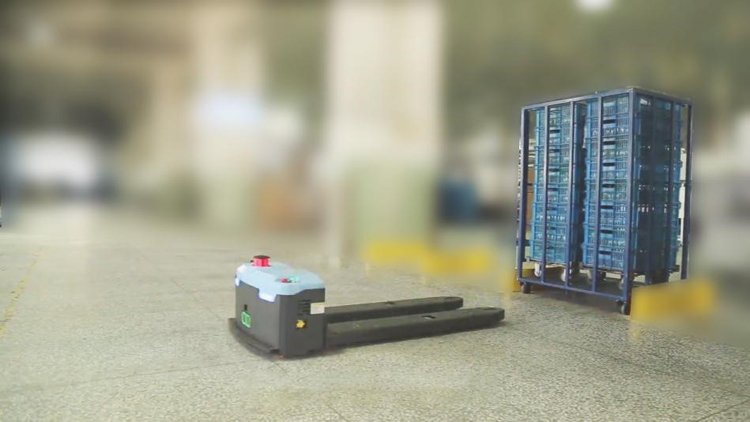
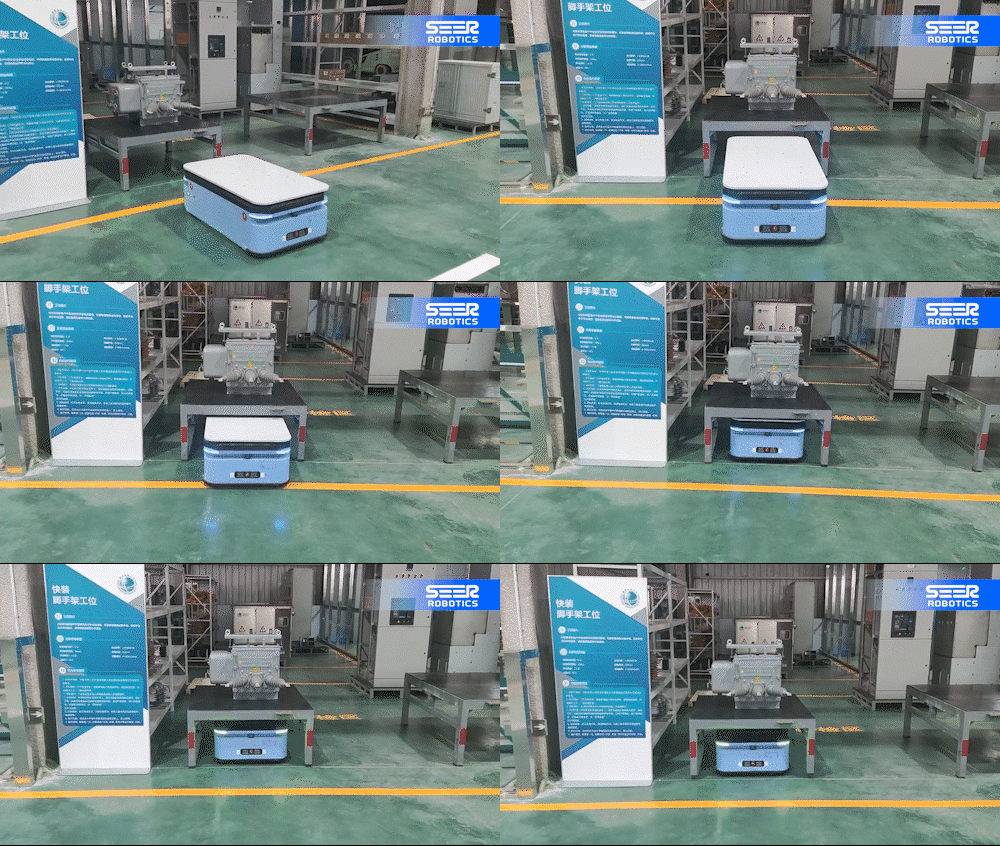
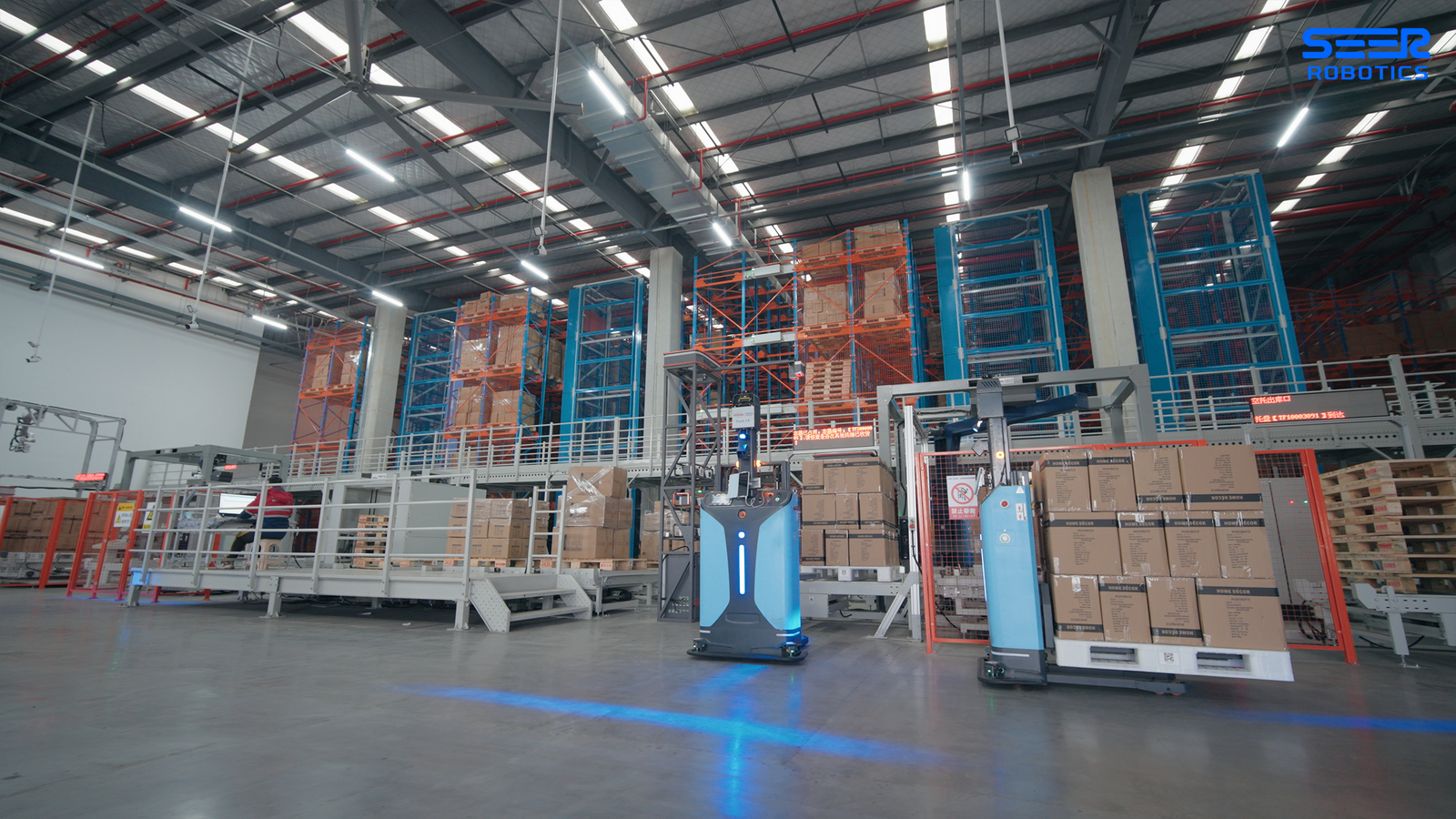
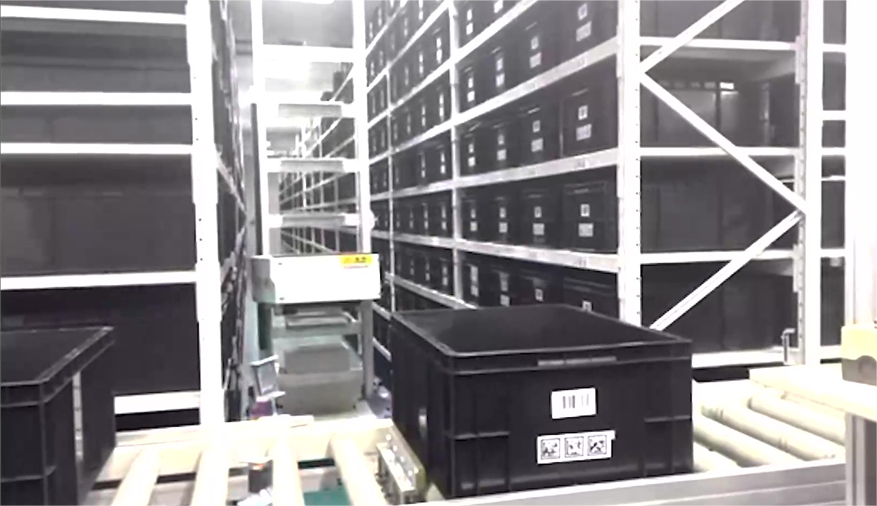
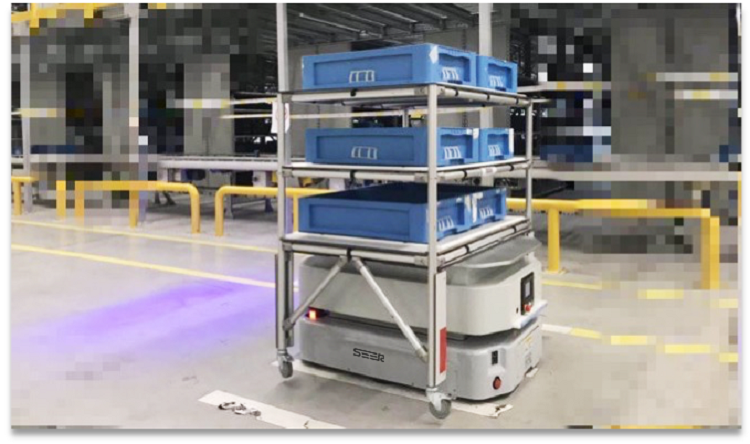
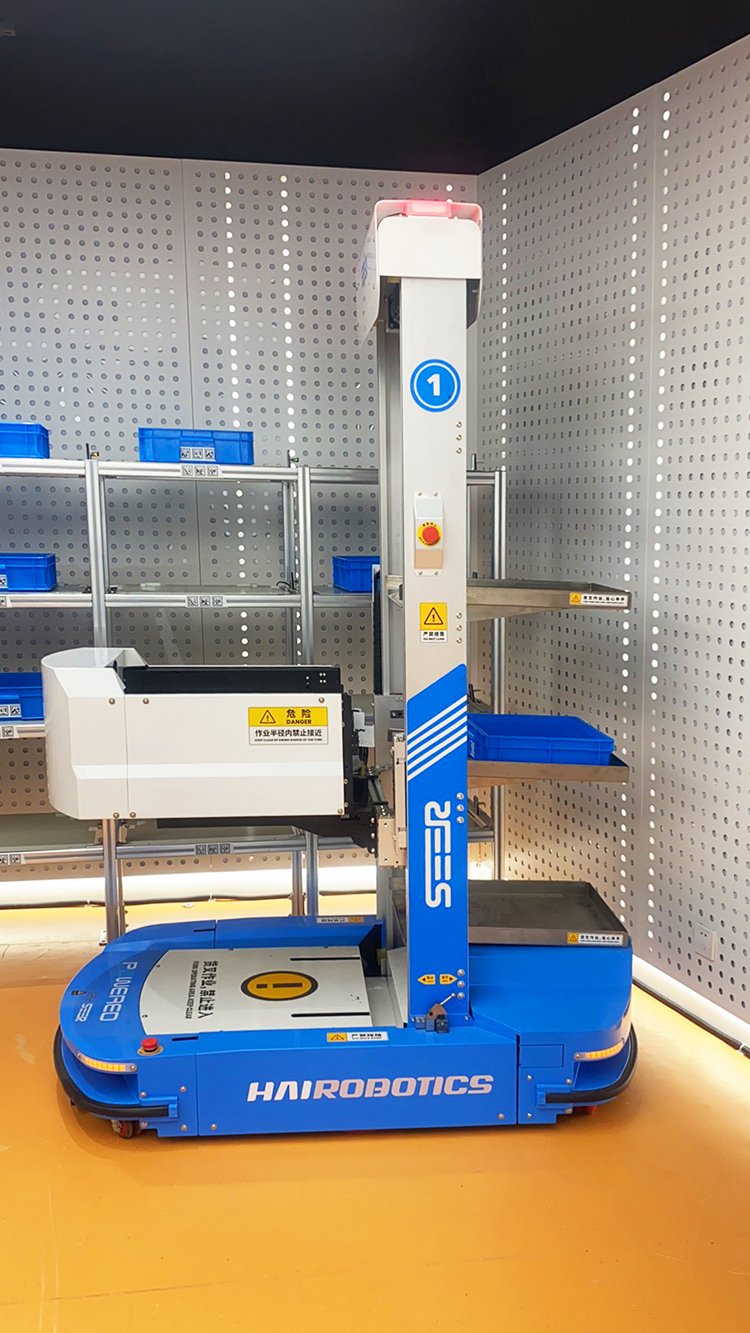
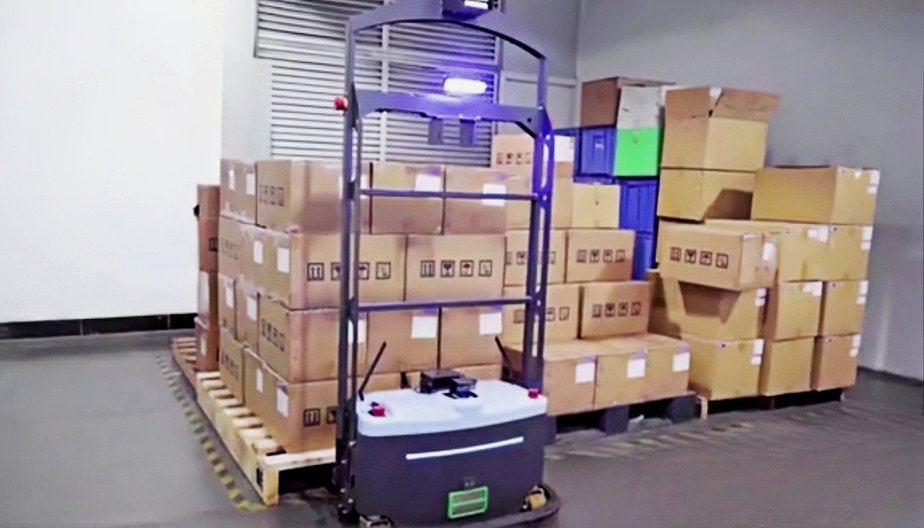
The deployment methodology behind every case study above
Same four phases. Same weekly cadence. Same independent audit. Median time from kick-off to go-live: ten weeks.
Site survey, LiDAR map, three-shift baseline. Independent ROI model signed off before contract.
Meta digital twin runs your demand profile virtually before a single robot is on site.
Phased rollout with parallel-run. Operations stay live throughout the changeover.
Independent ops audit of throughput, error rate, labour redeployment. Report shared with you.
Could this be your numbers next?
Send us a one-line description of your operation. Within five working days, we'll send back a one-page feasibility brief — robot count, indicative cost, expected payback, and the closest comparable customer outcome from our deployment library.
Frequently Asked Questions — Warehouse Robotics
What is the typical ROI on warehouse robotics?
Based on FlyWei's audited deployments across nine industry verticals, the median payback period is 14 months. Specific outcomes vary by operation type: a UK top-five 3PL achieved 3× warehouse throughput, while a Tier-1 automotive supplier reduced JIS picking errors by 98%. Efficiency improvements of 50% manpower reduction and 200% throughput uplift have been recorded across FMCG, manufacturing, and battery gigafactory environments. ROI modelling is provided free as part of FlyWei's pre-sales site survey.
How long does a full deployment take from survey to go-live?
A standard FlyWei deployment follows a four-phase methodology — Discover, Simulate, Deploy, Audit — and takes 8–14 weeks from initial site survey to production go-live. The Simulate phase uses digital twin modelling to validate robot count, routing, and throughput projections before any hardware is installed. Larger deployments with multiple warehouse zones or bespoke WMS integrations typically run 14–20 weeks. FlyWei provides a feasibility brief with robot count, indicative cost, and expected payback within 5 working days of the site visit.
Which industries does FlyWei Robotics serve?
FlyWei deploys autonomous robots across nine industry verticals: automotive, 3C (consumer electronics), communications and telecom, industrial components, consumables and FMCG, energy and battery gigafactories, logistics and 3PL, manufacturing, and textile. The UK client base includes third-party logistics operators (3PLs), Tier-1 and Tier-2 automotive suppliers, contract manufacturers, and gigafactory operators. All case studies are independently audited by customer operations teams.
What pick accuracy do autonomous robots achieve in practice?
FlyWei's fleet management platform M4 maintains a 99.9% pick accuracy rate across active deployments. This is achieved through ±10 mm positioning accuracy on all autonomous forklift models, SLAM navigation with real-time obstacle detection, and M4's task confirmation protocol, which validates each pick before marking it complete. For comparison, manual warehouse operations typically achieve 99.5–99.7% accuracy — the 0.2–0.4% improvement translates to hundreds fewer errors per day at scale.